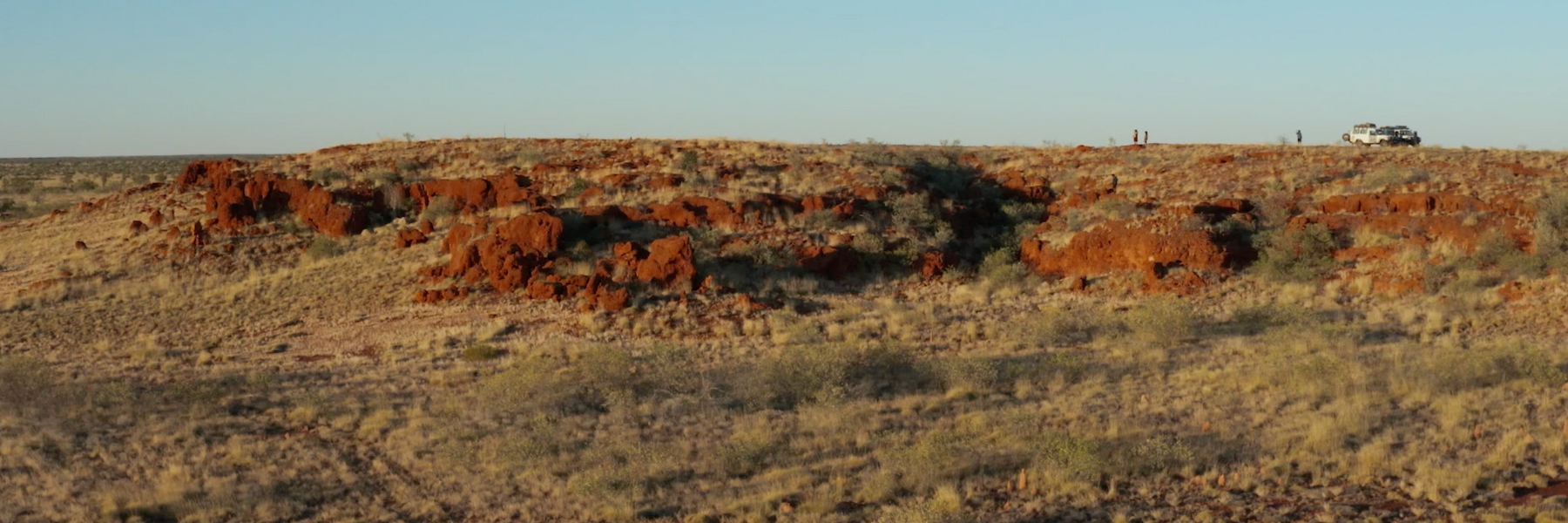
The Ngururrpa Indigenous Protected Area (IPA) is a culturally significant place where many stories and people have come together. Now, it’s Indigenous Rangers' night parrot discoveries which are causing a sensation in international wildlife circles.
Ngururrpa translates as ‘Country in the middle’, and is situated in the Great Sandy Desert, straddling the southeastern extremity of the Kimberley and the far north east of the Pilbara in Western Australia. The nearest town to Ngururrpa Indigenous Protected Area is 500km away, at Halls Creek.
There are four language groups who call Ngururrpa home - the Ngarti, Kukatja, Walmajarri and Wangkatjungka peoples. In 2007 their country was secured through native title. There are also two W.A. Aboriginal Lands Trust reserves which underlie about 75% of the Ngururrpa Native Title Determination.
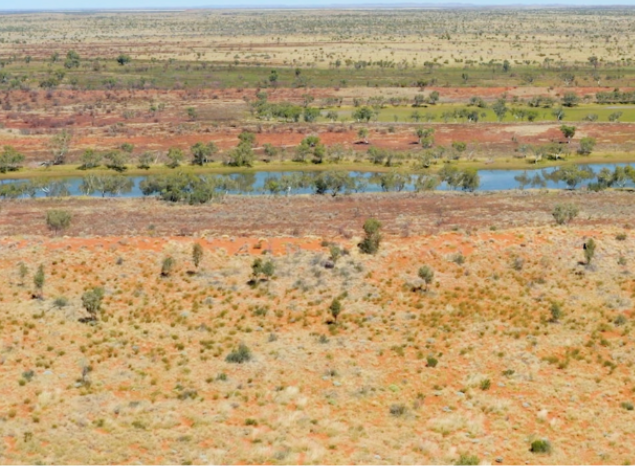
Ngururrpa IPA
In 2019 after years of work and planning, the Ngururrpa IPA was declared, covering a vast area of over 2.9 million hectares.
Country Needs People was proud to support Ngururrpa Traditional Owners in realising their aspiration for the IPA, through both direct support for the IPA proposal and advocacy to the Federal Government for funding, alongside partners such as Desert Support Services, Indigenous Desert Alliance and the Parna Ngururrpa Aboriginal Corporation RNTBC.
The value of an IPA is that the protection extends to ecological management of land and sea, and cultural values, governed and managed by Traditional Owners themselves. Combined with the native title and ALT reserves, this ensures a very strong foundation for management of biocultural pressures facing Ngururrpa Country.
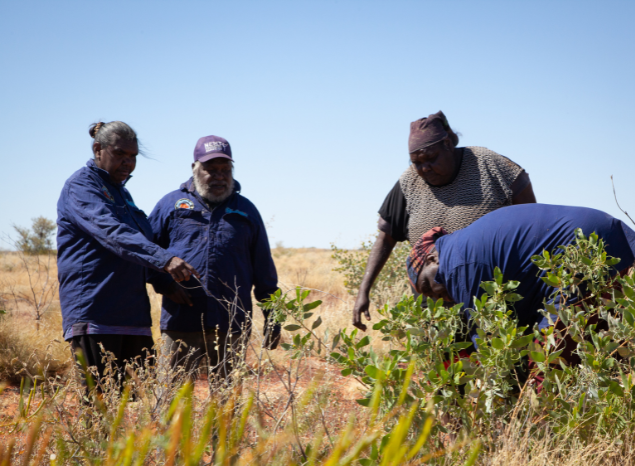
Rare species on unique Country
The Ngururrpa IPA is home to many threatened species including the ngalku (bilby), tjalapa (great desert skink), murrtja (brush-tailed mulgara) and also the elusive kakarratul (marsupial mole). The IPA comprises vast areas of sandplains and dune fields, peppered with ephemeral lakes and claypans. Subterranean waters support people, the flora and fauna, and this water can be accessed through rock holes and soaks, particularly during the drier months. The sandplains are vegetated with sparse acacia shrubland over spinifex, and it is here which lies the connection with the night parrot.
Thought to be extinct for almost 100 years, nests of the endangered night parrot were re-discovered in 2013 in south-west Queensland, but now Indigenous Rangers are leading the charge, with the most recent survey recording 50 night birds at the Ngururrpa IPA.
In 2024 the Ngururrpa Rangers discovered an unfertilised night parrot egg, only the second egg to be discovered in the world.
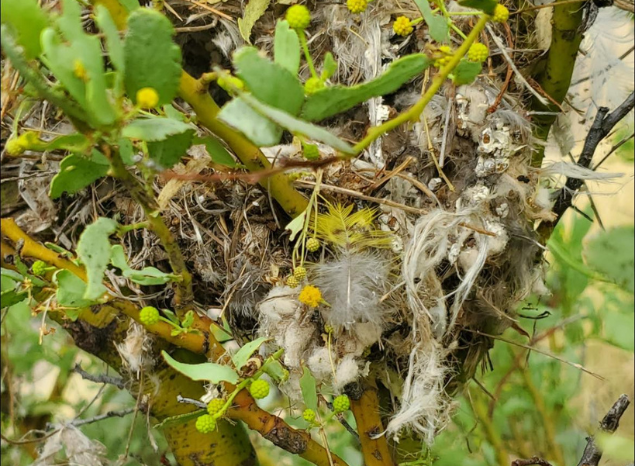
Indigenous Rangers' night parrots discovery
Inhabiting remote arid and semi-arid parts of Australia, night parrots measure from 22-25cm long, and are mostly green with extensive black and yellow markings, and a yellow belly. Night parrots are nocturnal, ground-feeding parrots and like to roost and nest in clumps of dense vegetation, such as spinifex.
The neighbouring Paruku Rangers, part of the Kimberley Ranger Network, were the first Indigenous Rangers to re-discover the night parrot in the Great Sandy Desert, recording the only known camera trap images outside of Queensland. Ngururrpa Rangers soon joined the quest and in their second year of surveying and monitoring, recorded the largest known population of night parrots.
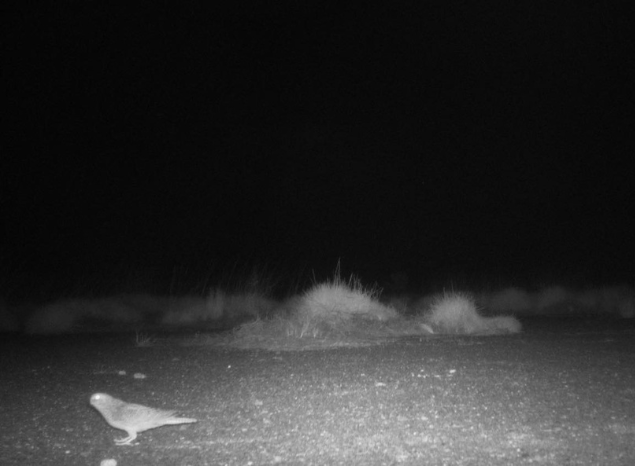
Ngururrpa and Kiwirrkurra Rangers from further south monitor sites across 100km of the Great Sandy Desert. The night parrot’s habitat is 20+ year old grass hummocks, which is very old spinifex, which has a density and structure that night parrots like. When it rains, the birds feed on grass seeds from the spinifex. Traditional Owners have many names for spinifex depending on its type, age and other aspects known through traditional knowledge.
“The people got their own songline” says Ngururrpa Ranger Monica Njamme, “Same with the bird, they got their own song.”
Since 2021 the Ngururrpa Rangers have been on multiple dedicated night parrot expeditions.
“What we’re doing is using a night camera to check the night parrot’s burrow, which is inside the spinifex” says Ngururrpa Ranger Clifford Sunfly.
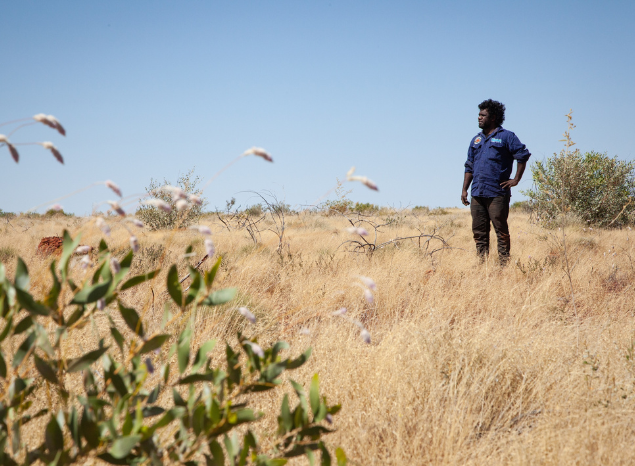
Ngururrpa Rangers are incorporating a two-toolbox approach - combining traditional knowledge with western science. They use a camera trap to monitor the night parrot habitat in the spinifex, to see if they return to the same spot for nesting, and they use a songmeter to listen to the night parrot, which records sounds from sunset to sunrise. The Rangers also undertake aerial mosaic burning with a helicopter across larger night parrot habitat patches to protect them from wildfires, focus on searching for active nests, collecting scat and feathers for DNA analysis and improving search activities, working with various partners
“Every night we heard their songs”, says Monica Njamme, “We know that night parrot’s around”.
The important role Ngururrpa Rangers are playing in not only uncovering new learnings about the night parrot, but also the protection of this fascinating but threatened species is crucial.
“They’re still out here” says Clifford Sunfly. “We have to do our best to keep them safe.”