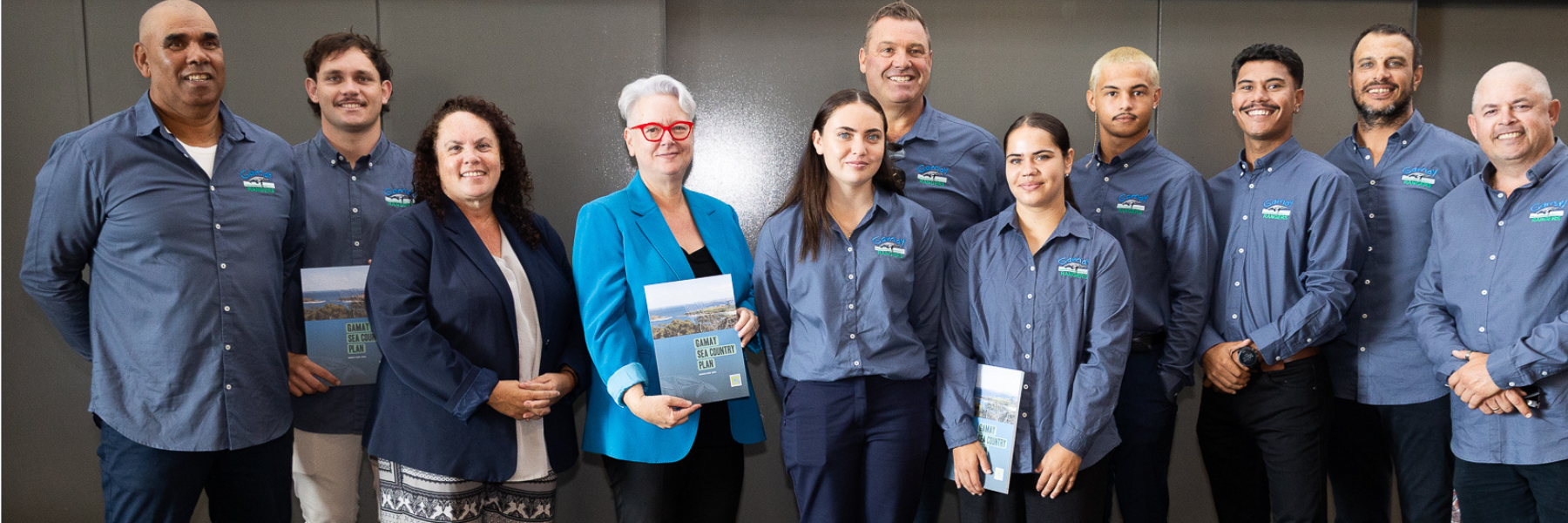
More than 250 years after the arrival in Botany Bay of British seafarers aboard the Endeavour, the Traditional Owners of Gamay (Botany Bay) have celebrated their continued presence on Country with the launch of the first-ever Gamay Sea Country Plan in April 2025.
Developed by the La Perouse Local Aboriginal Land Council (LALC) with the assistance of Country Needs People over a number of years, the new 10-year plan will be implemented by the La Perouse Aboriginal Land Council.
“La Perouse Local Aboriginal Land Council is proud to launch our Sea Country Plan with our Community and the stakeholders and users of Gamay”, said Chris Ingrey, Land Council CEO.
“We have spent some considerable time in developing this Plan, ensuring our people’s values within Gamay are represented and our people’s interest in their Sea Country is front and centre”.
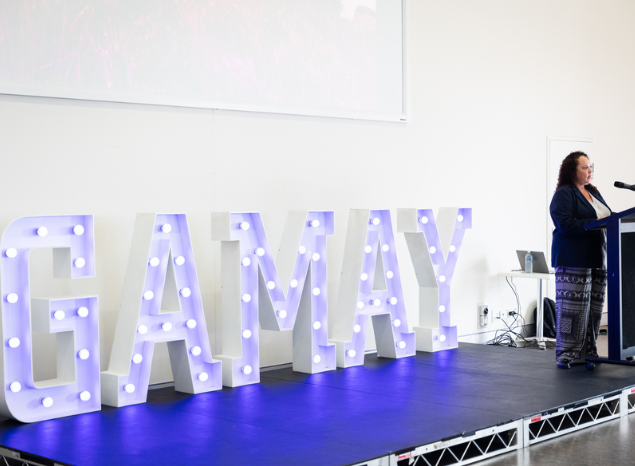
“Today marks a significant moment for our community,” LALC Deputy CEO Carrine Liddell said at the launch. “[This] Plan represents our values, our vision and our commitment to protecting what has always been part of who we are.”
“Gamay holds immense cultural, and spiritual, and historical importance to us. The sea is part of our identity. Our connection to it is powerful. What Gamay gives to us, we must give back in return."
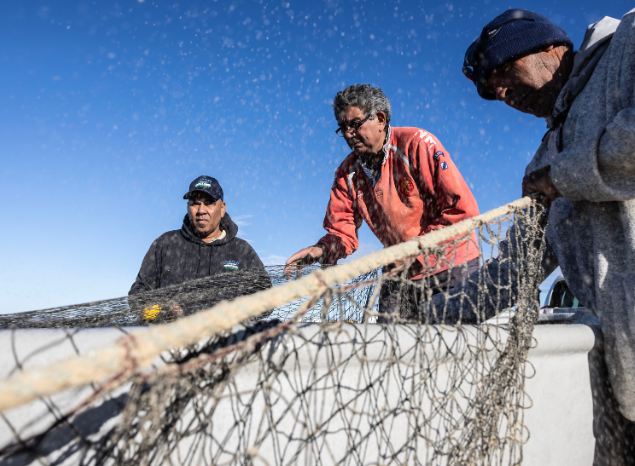
Natural wonders in an industrial landscape
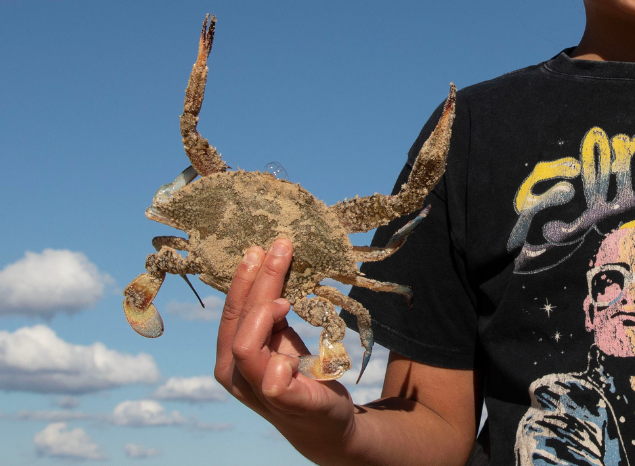
Think of what is today known as Botany Bay to the south of Sydney’s CBD and you may picture a built-up landscape dominated by Sydney Airport, Port Botany and industrial facilities such as the Kurnell oil storage facility. But Gamay remains rich in cultural and natural resources, including seagrass meadows, wetlands, oyster reef systems and intertidal zones that play host to iconic and culturally significant species including abalone, mullet, sea dragons, blue swimmer crabs, octopus and Burri Burri (humpback whales).
The Sea Country Plan took several years to develop and covers a significant section of Sydney’s coastline from Maroubra Beach in the north to Marley Head in the south. Extensive community consultations were supported by the Country Needs People planning team of Kataya Barrett, Joel Turner and Professor Melissa Nursey-Bray.
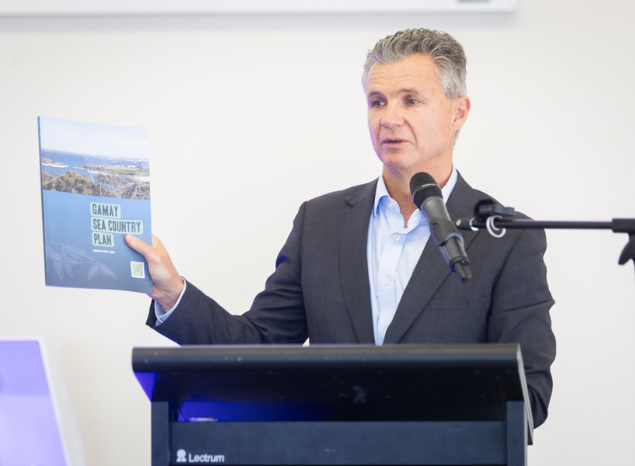
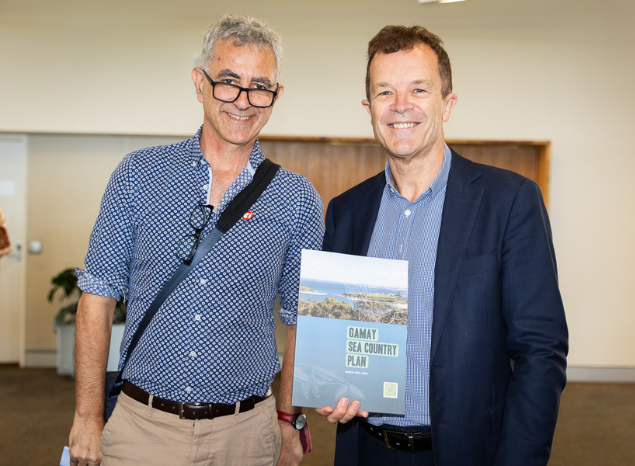
Speaking at the launch, Matt Thistlethwaite, Federal MP for the seat of Kingsford Smith, said the Plan represented “the community coming together, scientists and Traditional Owners working together on a pathway for the future to ensure the sustainability of Gamay and this beautiful coastline”.
State MP for Cronulla and Former Leader of the NSW Opposition, Mark Speakman, also attended the launch and said he was “very keen to see this going from strength to strength and hopefully replicate it up and down the coastline in New South Wales.”
Bringing back Country
“Gamay Sea Country holds huge cultural importance for our community, so caring for Country and managing the future health of our oceans and waterways is a top priority,” said Robert Cooley, Senior Gamay Ranger.
He said much had been lost from Sea Country since colonisation including shellfish middens, seagrass meadows and marine species.
“Water quality issues, habitat loss, so many people fishing and harvesting, have all contributed to declining stocks in those fish species which in turn directly impacts our community,” he said.
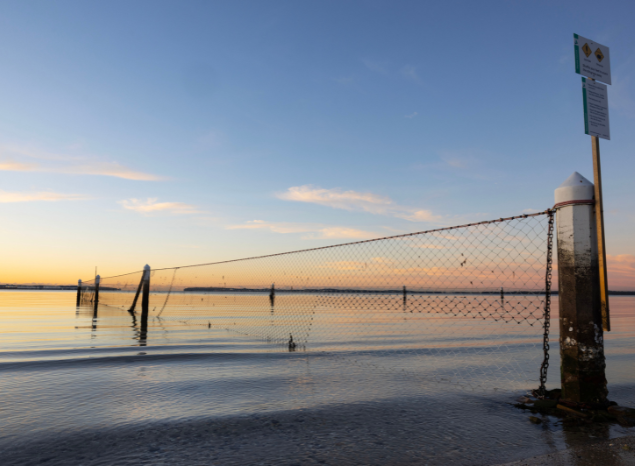
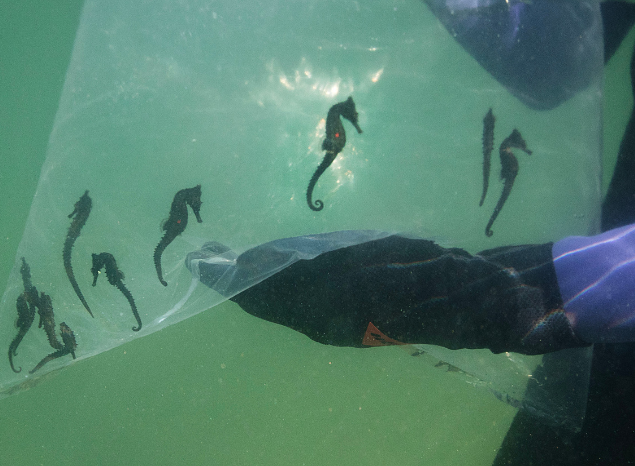
The new Gamay Sea Country Plan lays out aspirations for how Gamay would like the bay managed, and also identifies a number of projects to help drive the rehabilitation of Gamay including a Seagrass Project, Seahorse Project, Crayweed Project and Marine Mammal Monitoring Project.
The revival of seagrass is a key focus given its role as both habitat and resource for marine species, with seagrass meadows just a fraction of their historical extent after almost 150 years of industrial contamination leaching into the bay. What remains of the meadows continues to be threatened by development, water quality and recreational fishing.
Community will benefit
“Indigenous Rangers are taking a whole lot more of a role in caring for their own cultural heritage,” Robert said. “The beneficiaries are us Ranger groups but ultimately the beneficiaries are our community."
Country Needs People CEO Patrick O’Leary said the organisation was really pleased to have played a role in helping the community develop their Plan.
“Sea Country Plans like this help Traditional Owners and Indigenous Rangers collaborate with the broader community to protect Sea Country for generations of Australians to come. It’s a generous and collaborative vision expressed in the Plan."
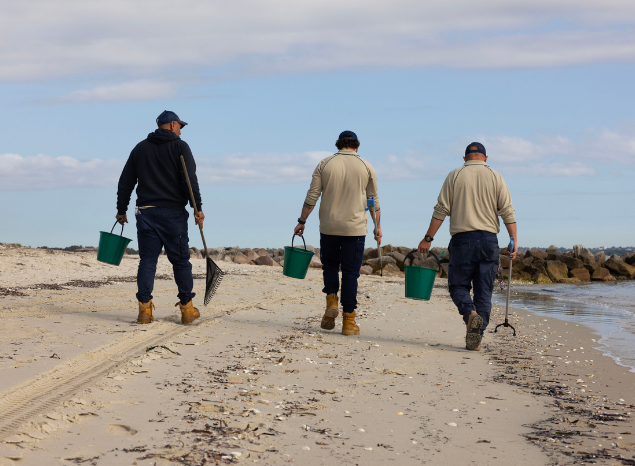
"Our hats off to the Rangers, La Perouse Land Council and community members for their hard work in delivering what we think is the first ever Sea Country Plan in a major capital city", said Patrick O'Leary.
Banner Image: Gamay Rangers with La Perouse LALC Deputy CEO Carinne Liddell and NSW Environment Minister Penny Sharpe. Photo: Renee Nowytarger.