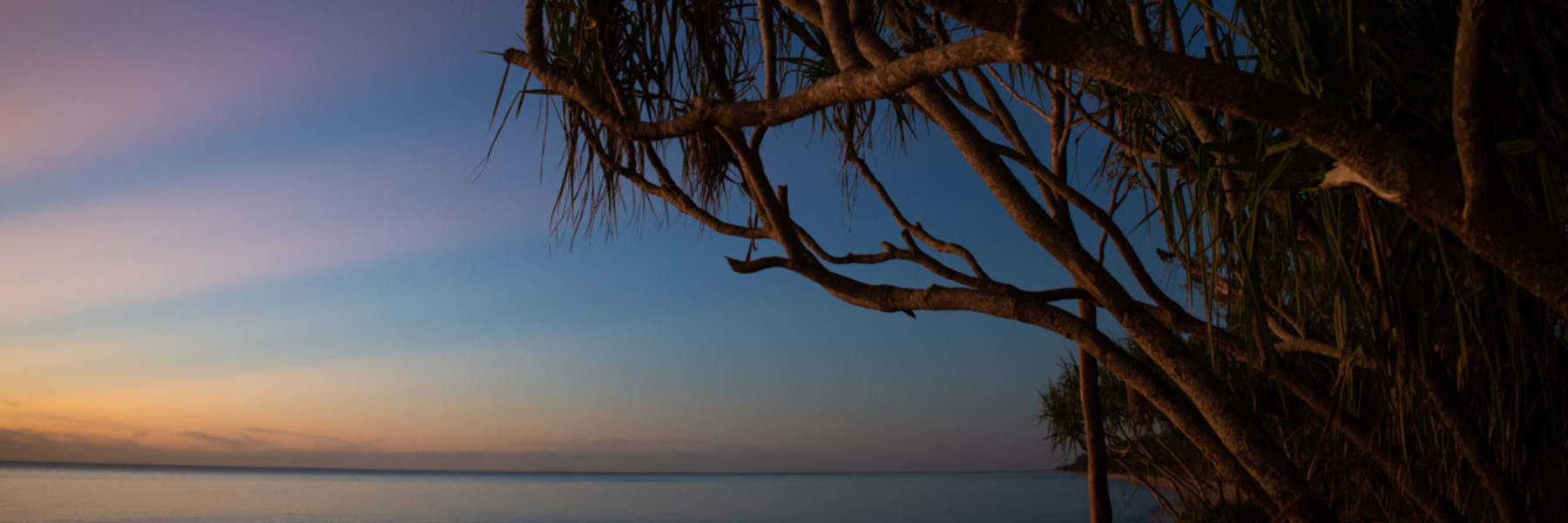
The Tiwi Islands are an extraordinary ark of biodiversity and culture, and now, one of Australia’s newest Indigenous Protected Areas.
“Tiwi Islands, it’s an amazing place. This place has riches - Country, history, culture”.
- Richard Tungatalum, Tiwi IPA Committee
An unbroken history
On Wednesday 10th December 2025, the Tiwi Islands' 718,463 hectare Indigenous Protected Area (IPA) was made official. It had been a long process to reach dedication for this unique IPA which covers 90% of the Tiwis - Traditional Owners have worked tirelessly to reach this significant achievement since 2018.
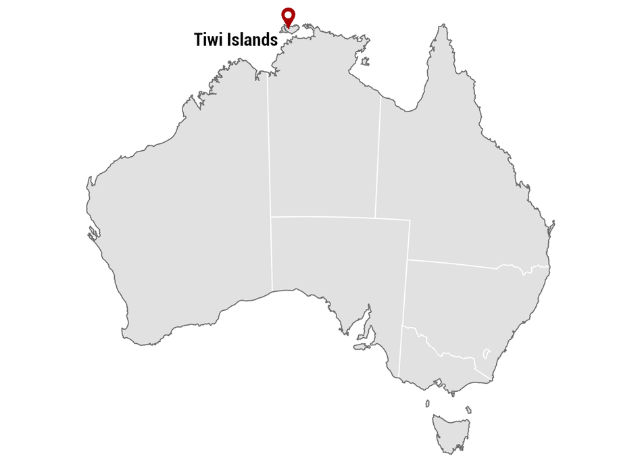
Located in the Arafura Sea, 80km north of Darwin, the Tiwi Islands are made up of two main islands - Bathurst & Melville islands - in Tiwi language, Ratuwati Yinjara (two islands). Melville is the second largest island in Australia after Tasmania, and Bathurst Island is the fifth largest island.
There is an unbroken history of occupation and ownership of the Tiwi Islands by Tiwi people. 2,500 people now live on the Tiwis, more than 90% of whom identify as Tiwi. They have strong ties to ancestral lands, habitats and wildlife, and their livelihoods are highly dependent on natural resources, including fishing and bush tucker. The new IPA protects the Country of all eight Tiwi clan groups.
Abundance in all directions
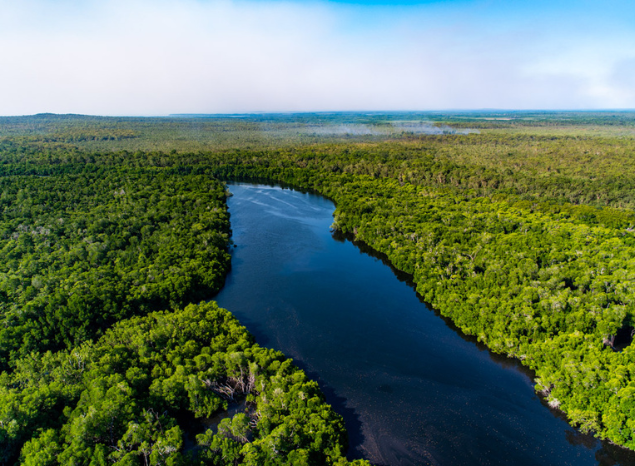
As a result of the Tiwi Islands having the highest rainfall in the Northern Territory, the Tiwis are recognized for having some of the NT’s most intact native vegetation, largest eucalypt forests, and abundant healthy rainforests. There are also woodlands, wetlands, coastal dune formations, “treeless plains”, mangroves, grasslands, and Melaleuca forests.
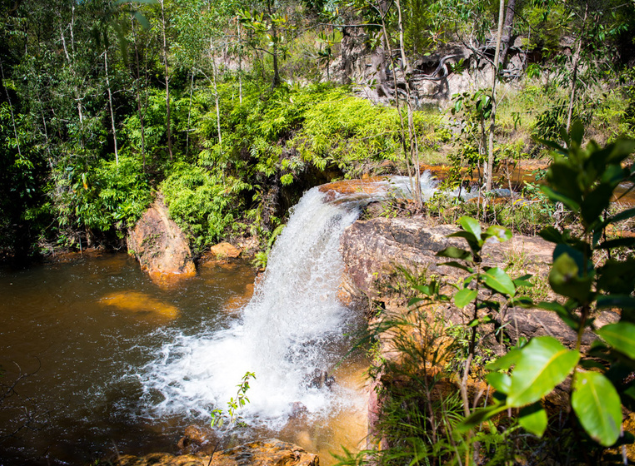
“There's a lot of things in this Country”, says Tiwi Traditional Owner Jane Puautjimi. “We've got lovely plants out there, and animals that need to be protected.”
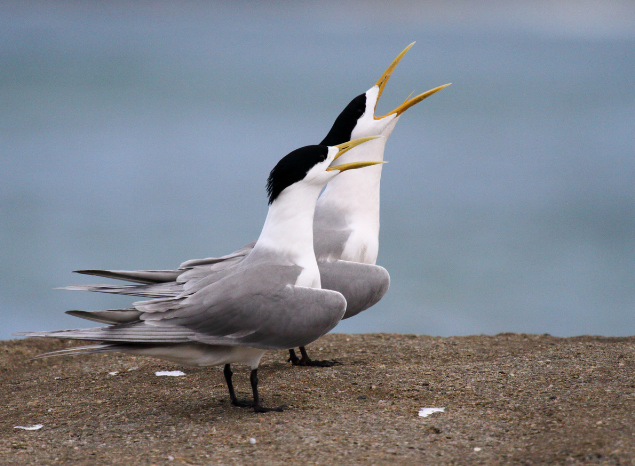
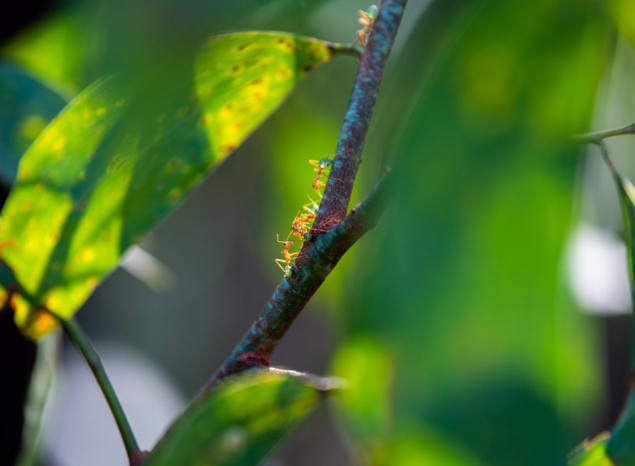
The Tiwis are a safehaven to a spectacular array of animal species including 34 mammals (seven which are threatened), over 200 ant species, and 232 bird species including 13 threatened bird species and endemic subspecies.
In addition, the Tiwis’ coastline supports critical nesting sites for threatened marine turtles, internationally significant seabird rookeries and major aggregations of migratory shorebirds, as well as a rich marine biota in the ocean.
“Animals that we have on the islands are sacred to the Tiwi people”, says Richard Tungatalum of the Tiwi IPA Committee. “We need to make sure they’re protected”.

Turtles and the feral pig factor
Invasive species threaten biodiversity and cultural values on the Tiwis. Whilst weeds like mimosa, lantana and rubber vine are having an impact, it’s Gamba Grass which is the biggest concern. If it gets out of control on the Tiwi Islands the Tiwi Rangers’ fire management will be affected, with an increase in dangerous wildfires wreaking havoc on biodiversity, cultural values, and property, and vital income from carbon management lost.
But it’s not just weeds. Feral buffalo, horses, cats and pest ants are on the move, with feral pigs a major concern.
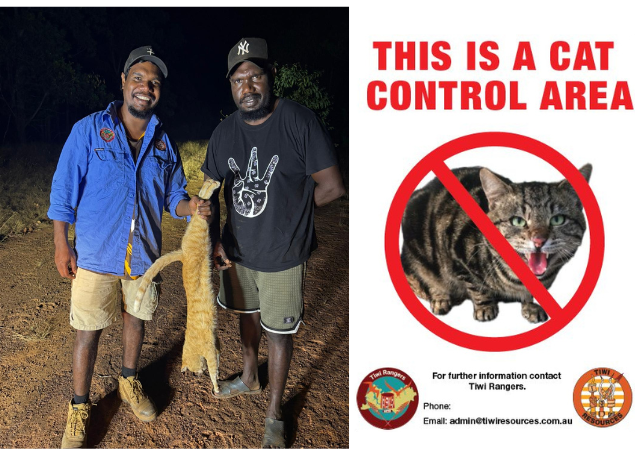
“Horse, feral cat, pigs they’re all running around now,” says Tiwi Ranger Colin Kerinaiua, “Feral pigs are having a big impact on our turtle population.”
The beaches on Bathurst and Melville Islands are vital for nationally recognised threatened species including Flatback Turtles; Olive Ridley Turtles; Green Turtles and Hawksbill Turtles which all nest there. But it’s not just nature that’s under threat, it’s culture too.
Tiwi people have strong cultural and subsistence links to sea turtles. “The animals, some of us, we dreaming, that’s our dreaming,” says Marilyn Kerinaiua, Tiwi IPA Committee member. “Like I dreaming turtle. My father belongs to that dreaming dance.”
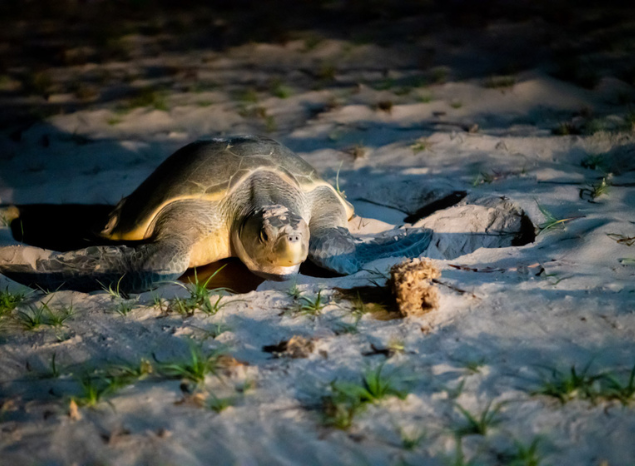
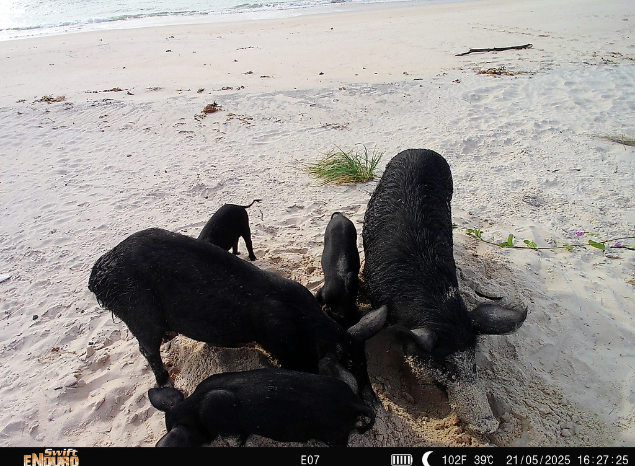
Feral pigs have done considerable damage on Bathurst Island, where their numbers are greatest, and a population has now established on Melville Island. Pigs eat the turtle eggs, and if they don’t reach all the nests, they return to the beaches at hatching time and eat all the hatchlings.
“The big pigs are eating the egg and the baby turtle as well, which is really sad”, says Marilyn Kerinaiua.
Feral pigs also threaten bush tucker, destroy ecosystems by ploughing up vegetation in wetlands and along watercourses, and are also a biosecurity risk. They compete with native animals for food and can spread weeds, seeds and diseases.
The Tiwi Rangers are undertaking a pig management survey which began with consultations with Traditional Owners, schools and community. They are now focused on reducing the impact of feral pigs on the turtle populations at Imalu beach on Melville Island in collaboration with Australian Institute of Marine Science and Charles Darwin University.
The additional work and equipment needed to support this essential turtle and pig project was funded until recently through the NT Government Aboriginal Ranger Grants Program.The recently elected NT Government publicly promised to refund this practical and useful program before the NT Election in 2024, but then scrapped it in last year’s NT budget. Further funding is needed to support reduction and eradication of the Melville feral pig population. Country Needs People is calling on NT Government to return this critical funding for Aboriginal Rangers across the Territory as they originally promised.
Sign onto our campaign to re-instate the NT funding here.
Tiwi Rangers
The new federally funded Tiwi IPA will provide a strong foundation for Indigenous Rangers.
The Tiwi Ranger Program first began in 2001 and focused on marine work. Traditional Owners wanted to play a more active role in Sea Country management and established the first Indigenous marine ranger program in the NT.
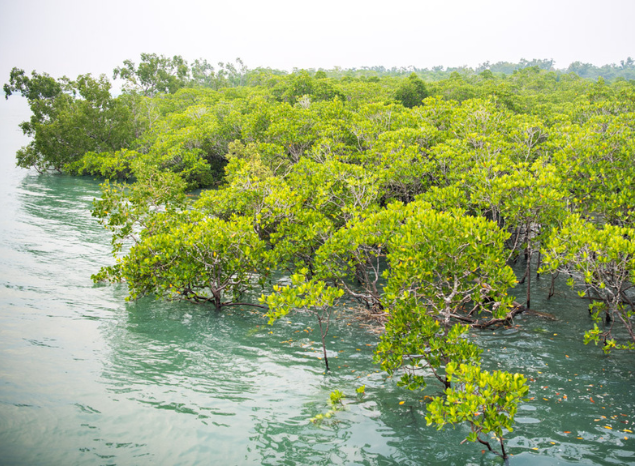
Tiwi Sea Country is under threat by illegal fishing, the arrival of foreign vessels, and management of the internationally significant nesting sites for sea turtles, seabird rookeries and shorebird populations on the islands. The Tiwi Marine Ranger Program was so successful it helped inspire the model for other Marine Ranger Programs across the Top End.
“The IPA can support more Rangers – young men, young women, school leavers” says Marilyn Kerinaiua. “There’s enough people to put them out there, to look after each land.”
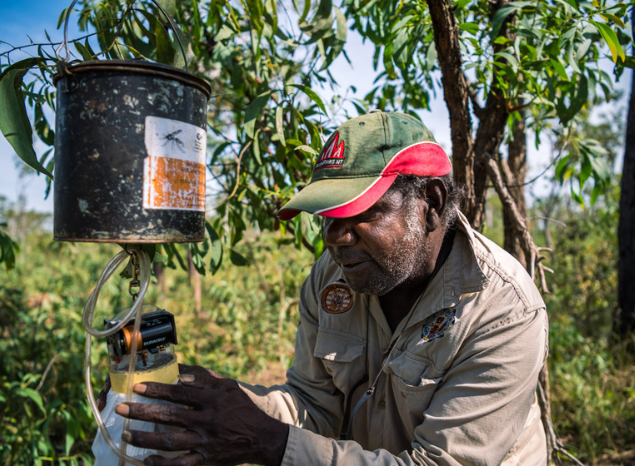
The Tiwi’s land program began in 2006. On land they undertake environmental contract work, biological surveys, help with ecological research, heritage and sacred site assessments, rehabilitation of developed areas, weed management and pest monitoring, quarantine surveillance and biosecurity, and also have a well-established fire management program.
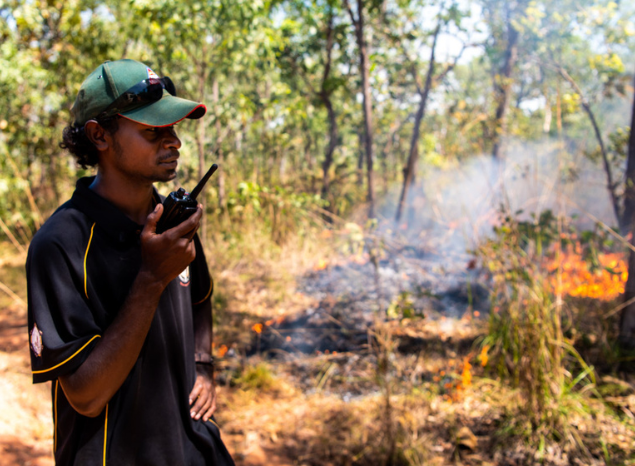
“We break Country in parts with aerial burning and road burning” says Tiwi Ranger Stanley Tipungwuti.
“If we don’t burn early, we get really big, hot, late fires so we have to manage our fire early.”
“We control our burning by doing backburning around sacred sites, and around infrastructure” says Stanley. “We do patch burning so there’s places for our native mammals to hide in, or burrow in. If you burn the whole section it’ll be easier for the feral cats to get onto them, and the next thing all our native mammals their numbers will close down.”
A frontline of climate change
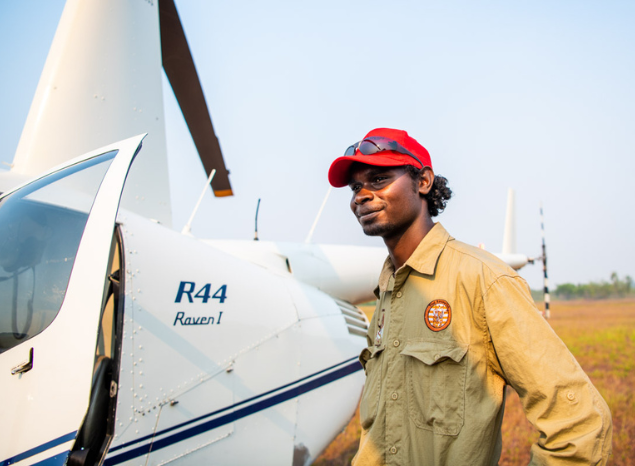
Tiwi Rangers are on the frontline, witnessing firsthand the impact of global warming, sea level rise, and extreme weather events.
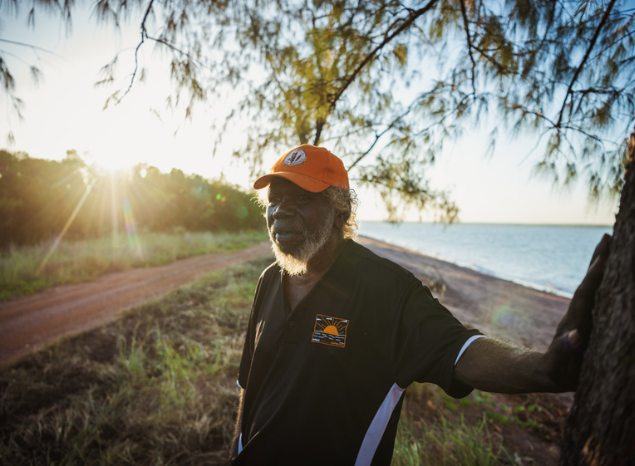
Tiwi Elder John Wilson recalls when he went to school, and how as kids they used to swim from the jetty to the other side, and now that gap is widening.
“We know about climate change. We have to care for our Country properly, for the future, and the generations after us”, says John Wilson.
There are many hopes for the future for the Tiwis with their new Indigenous Protected Area, but they are well aware of the challenges ahead.
“I would like the IPA funding to support my own people, Tiwi people to look after their land” says Marilyn Kerinaiua. “We need cars, boats and the infrastructure, make the road properly. We need something different and Rangers can look after it - men and woman.”
Banner Image: Tiwi Islands at sunset. Photo: Annette Ruzicka.