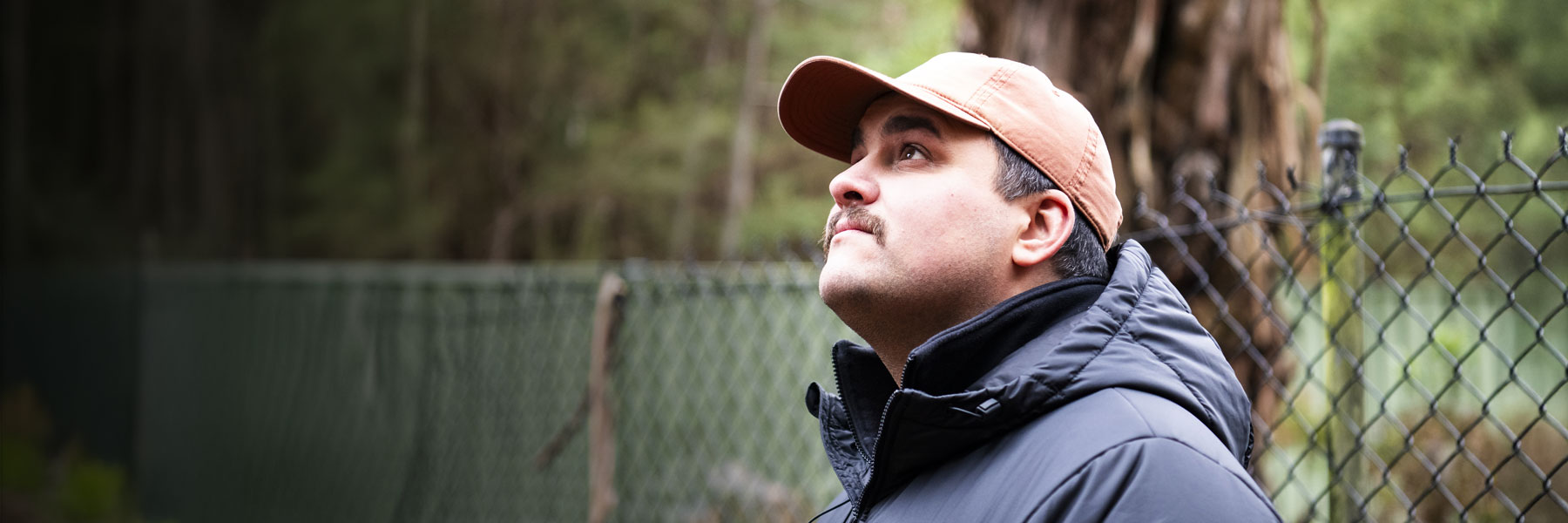
Head out on Country with David Mullins, a proud Wurundjeri Woi-wurrung man from Naarm. Passionate about the environment and connecting young people back on Country, David is the Co-Manager of the Narrap Rangers.
I’m a proud Wurundjeri Woi-wurrung man from Naarm. Wurundjeri Country goes from Werribee River in the west, across the Great Dividing Range in the North, across to Baw Baw in the East and down to Mordialloc creek in the South. We’ve got Volcanic Plain grasslands in the west, Eucalyptus Woodlands in the centre and Mountain Ash Forest in the East.
I've been with the Narrap Rangers for six and a half years now. I started off as a trainee and then worked as a ranger for five years. I then stepped into an EPA Liaison Officer role within Wurundjeri, then the Ranger Program Manager role, and now I'm in the Co-Manager position.
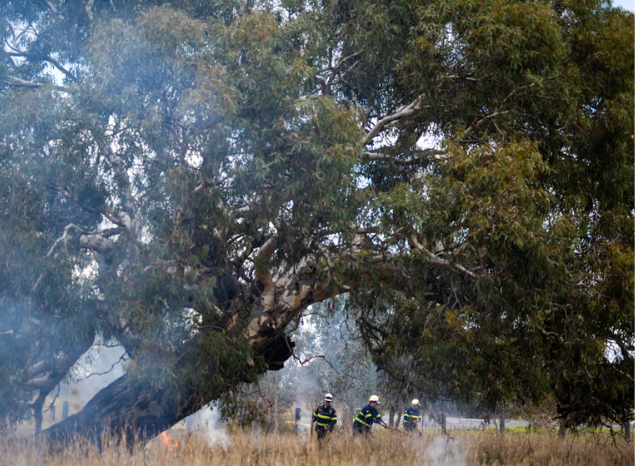
Narrap Rangers
We work across all of Wurundjeri Country, so there can be a lot of travel. There’s nearly 50 people in the Narrap Unit, including 27 rangers. We look after Mount William Greenstone Axe Quarry, Sunbury Rings and Coranderrk Cemetery. Coranderrk is a very significant site, it’s got all our ancestors and relatives there.
We do a fair bit of cultural burning now. We're fully set up, and all the rangers have their general firefighting, Chainsaw and four-wheel drive certificates.
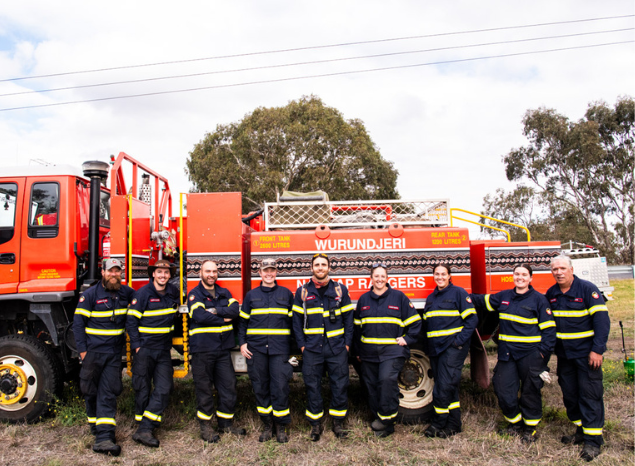
With the ranger team being more established now, we're getting a lot more interest from Wurundjeri and other First Nations people.
My favourite thing about my job is just getting out onto Country, connecting back to culture and working alongside family to heal Country. We try and do our ancestors proud in the work that we do.
Managing invasive grasses, woody weeds and pests
There’s a lot of weed control and planting. We have a lot of Phalaris grass, which is a grass that's toxic to kangaroos. Once they eat it, they look like they get drunk. It’s called the ‘phalaris staggers’, they hop around and not really knowing where they are. There's a lot of Disa (bracteate), which is the South African weed orchid that we're trying to take care of as well, they produce millions of tiny seeds and they’re easy to transfer from site to site. There are a lot of woody weeds, so we control boxthorn, gorse and broom.
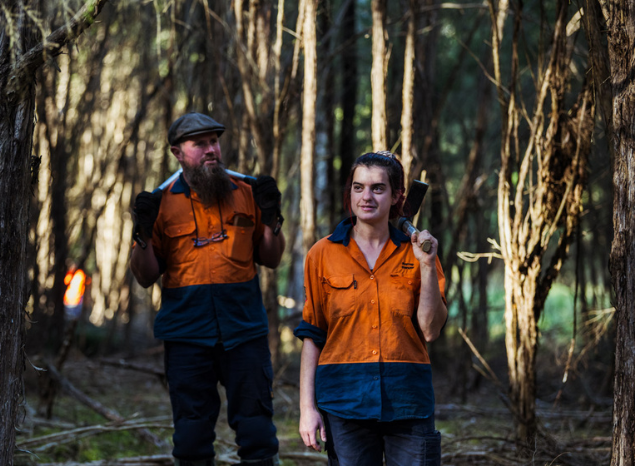
Pest animals are also a big challenge for us when we are working out on Country, particularly feral deer. We are seeing a lot of grazing on native vegetation, compacted ground from their hooves and the distribution of weeds from their movements.
Looking after eels and skinks
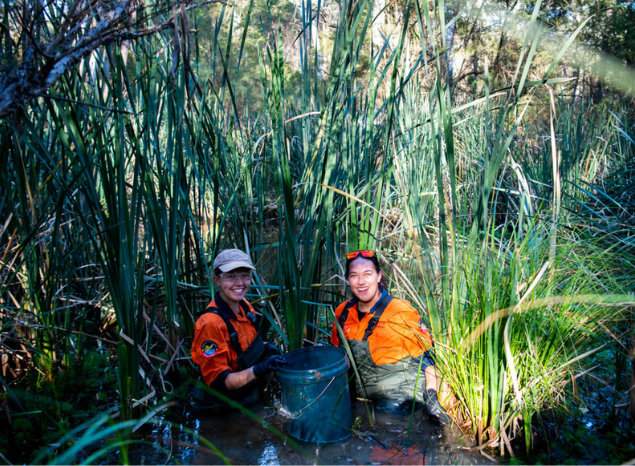
Bolin Bolin was once an area where Wurundjeri people harvested eels and had gatherings. We do a lot of work with eel tagging and checking their movements when they go up to migrate. The eels go from Bolin Bolin Billabong out to the Birrarung River, then into Port Phillip Bay, and then around the east coast of Australia up to the Coral Sea. We’re starting to do a little bit more monitoring of the endangered skinks in the grasslands.
Challenges
I think one of the biggest challenges is having 4-5 million people live on Wurundjeri Country. When we're working on sites, it's trying to get it back to what it once was.
Out on Country
When I’m out on Country I just feel connected. I feel sort of complete as a person, just being out in Country, having the breeze on the back of my neck… it feels good being on Country.
My passion for the environment, I think that's definitely something that I've learned about myself. I knew I always wanted to work outdoors as a Parks Ranger, but I think being an Indigenous Ranger, it's got a lot more of a special feel.
I think that the ancestors would hopefully be proud of the work that we do. With the challenges that we face today, trying to do the best work that we can, I reckon they'll be proud.
Leading the way for the younger generation
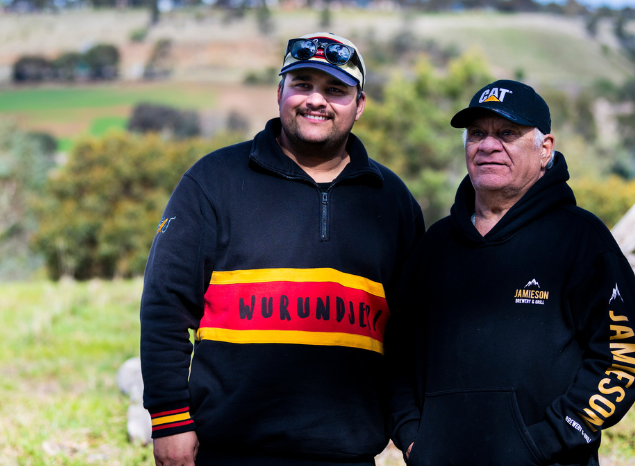
I hope we can get a few of the younger generation to come through and get out and connect back to Country. That’s my hopes - get the younger generation through and help lead the way for them. My advice would be just to give it a go. Get out on Country, see the work that we're doing and look at it from a cultural perspective as well, that we're healing Country.
-David Mullins