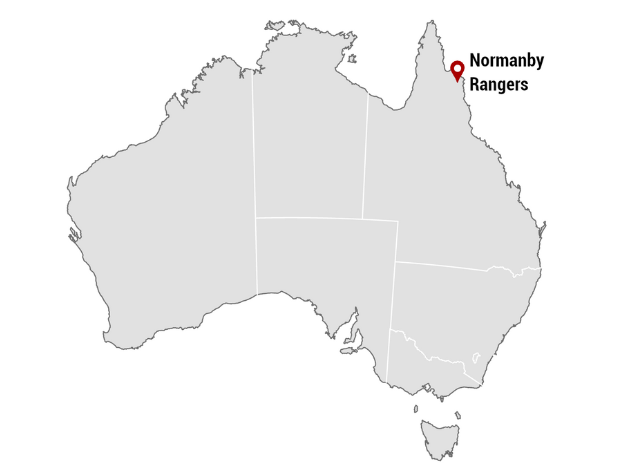
In today's Out on Country edition, meet Balnggarrawarra diesel fitter turned ranger Vince Harrigan, who looks after Country in the South Cape York Catchment area in Queensland, with the Normanby Rangers.
My name’s Vince Harrigan from the Balnggarrawarra Tribe of South Eastern Cape York. I did my apprenticeship as a diesel fitter - my trade was fixing heavy machinery. I stepped away from that, and then began working as a Ranger. It's taught me a lot about the land - how to read things, being that extra eyes and ears for our Elders. I think I've grown and learned a lot doing this sort of work.
The Landscape
Our totem is the crocodile, so there’s plenty of crocodiles. There are also wallabies, as well as many native birds, flora and fauna. We’ve got savannah woodland, sandstone, a lot of rock art sites.
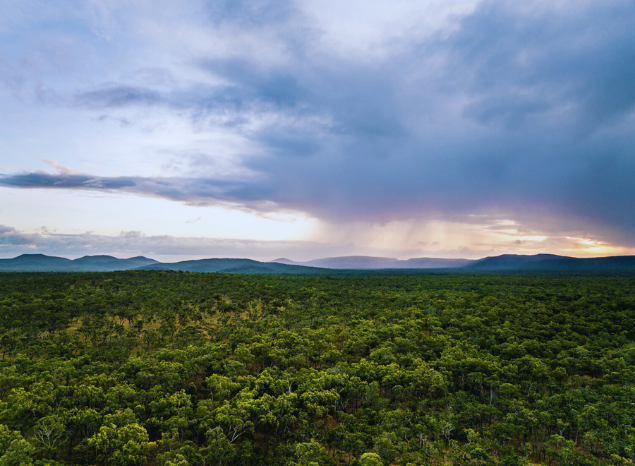
The Normanby River runs through our Country - it’s one of the largest river systems on the East Coast in Queensland. The catchment comes from the top of the Daintree and runs right through Rinyirru National Park and out into Princess Charlotte Bay, into the Great Barrier Reef.
Ranger Work
We do a lot of land and conservation work especially with fire, weeds, feral animals and erosion control.
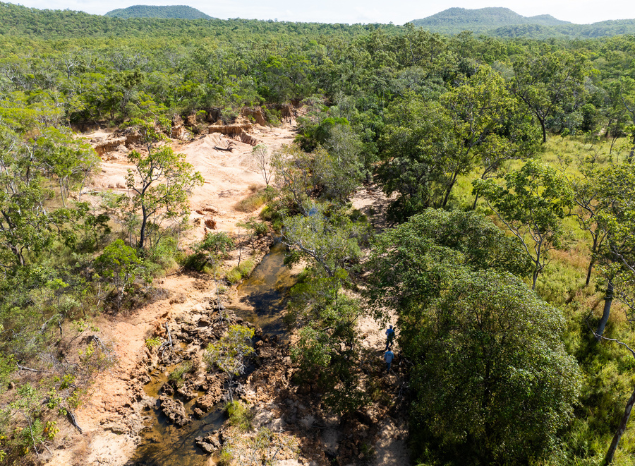
It's a very important catchment. We’ve been doing erosion rehabilitation work for the last few years and identified a few places on Normanby that have been moving and taking tons of soil and sediment into the river, and out into the ocean.
We’ve spent a few years rehabilitating those places, trying to get it back to the natural way that it used to be by having native grasses and trees growing back on eroded areas.
Challenges are seasonal. Seasons can change. We've just had a massive cyclone come through, so there’s things you can’t control. We’re also managing invasive species such as feral cattle, brumbies and cats.
Using the ranger program as a stepping stone we've ventured into rock art tours as well.
We’re also tapping into bush beef - selling feral cattle directly off our place into the restaurants south of us around the Cairns area.
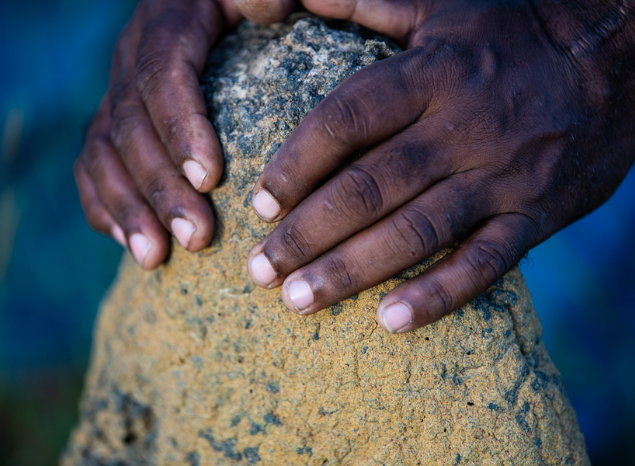
There’s always things to do.
Country tells you when it's time to do things. Now that Winter’s coming in, we’ll start lighting the Country, and that can go through for the next two or three months.
Looking after Culture
We've got a lot of cultural significant places that belong to our people that resided here for many years. Sharing our culture with non-Indigenous people is very important.
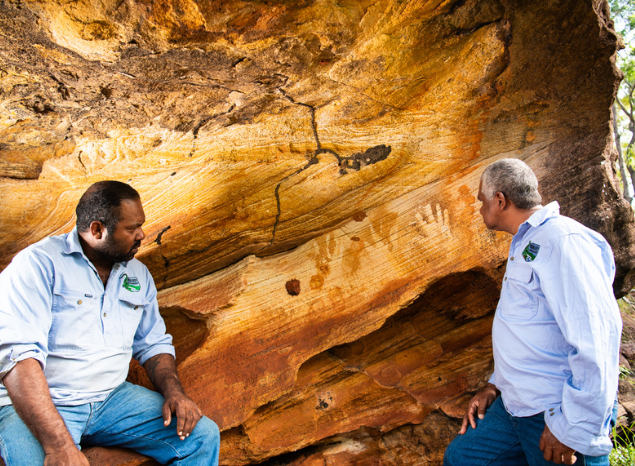
It's the biggest educational tool that you can provide as an Indigenous person - to provide the stories to other people. I just want them to see through our eyes.
Being a Ranger
What I love most about being a Ranger is just working on our Country, being that caretaker.
Managing the land the way old people did, keeping cultural areas protected, showing our children, and just knowing that we’re connected.
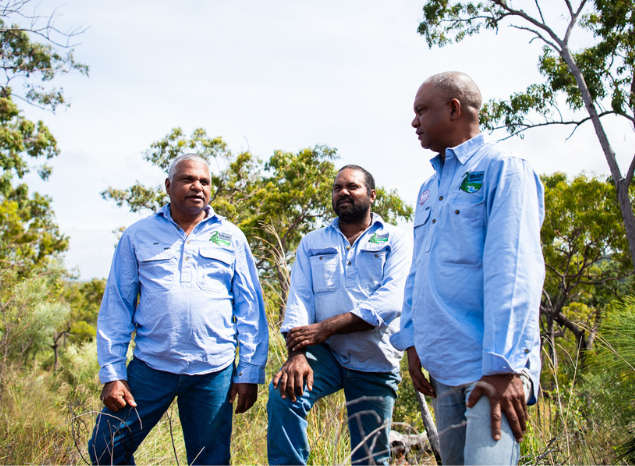
That’s why I love waking up out of bed for every morning, knowing we’re working on our own Country and doing it for the benefit of not only Elders, but our children and everyone else.
The old people come first, and then hopefully everything else will follow.
We are making a difference. We are the eyes and ears of the land. We are the front line. We do matter when it comes to looking after Country. Our old people have done it, we’re just carrying on the legacy.
-Vince Harrigan, Normanby Rangers.
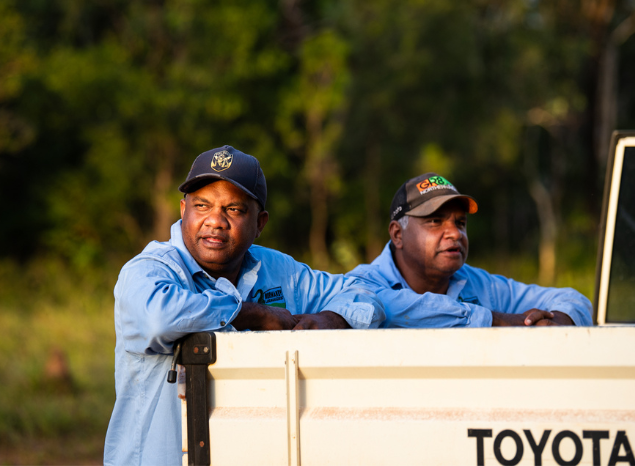
Our deep thanks to the Normanby Rangers for supporting our trip and sharing their knowledge with us. Find out more about the Normanby Rangers and the South Cape York Catchment here.


